Readers of this blog will probably be aware that I have a deep and lifelong love for the Little House books. And many will no doubt have heard of the Association for Library Services to Children's recent decision to rename their prestigious Laura Ingalls Wilder Award for substantial and lasting contributions by an author to children's literature, on the grounds of Wilder's "racist depictions of minorities," which decision I find deeply dismaying. I appreciate that they considered for some time before making the decision — apparently the subject was broached in February — but it still seems to me a reaction to what is on the surface of the stories, not what lies deeper in them. It is poor literary criticism to take the opinion of a character in a book and ascribe it to the author herself — although certainly it can be taken that way by a child — but that is actually not what dismays me so much about the ALSC's decision.
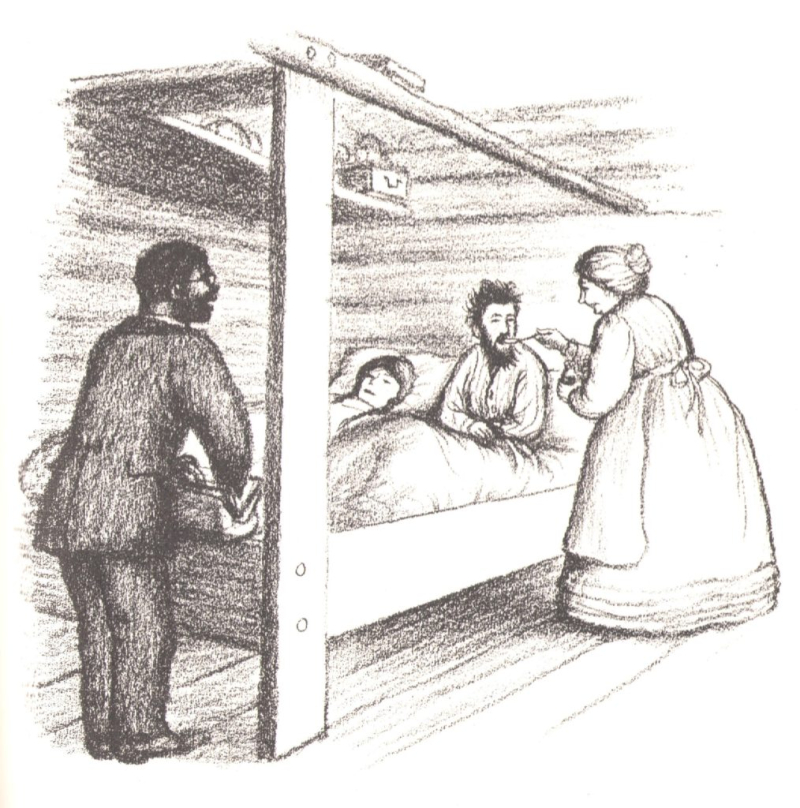
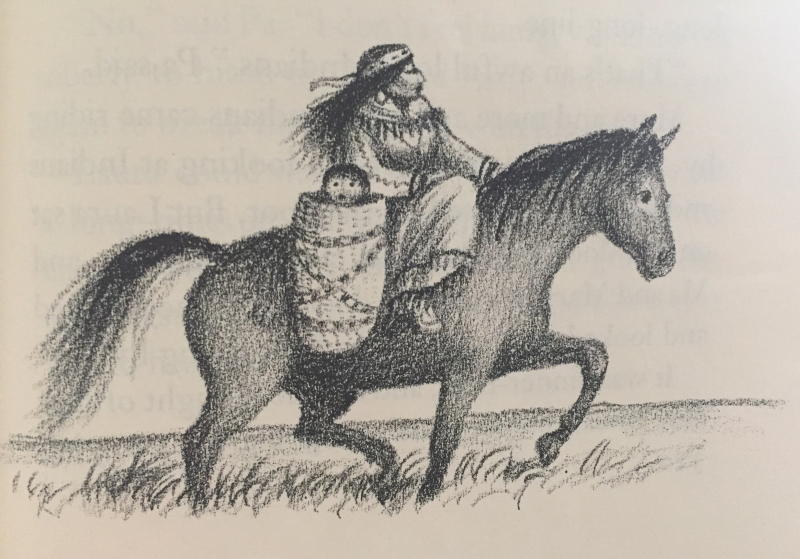
I remember being a bit bemused by the minstrel show in Little Town on the Prairie, at the time I first read the books being unaware of the undertones of blackface (why is it funny?), but I also remember the black Dr. Tann and how he selflessly and cheerfully visited sick families in the malaria-stricken creek bottoms of Little House on the Prairie. I remember very well Ma's fear of Indians, her repeating that "the only good Indian is a dead one," but I also remember both Pa's pragmatic attitude towards the men who came into the cabin and demanded food and tobacco from Ma, that she had done the right thing by not resisting, and towards the Indian who nearly shot the dog Jack who was in his way — "It's his path. An Indian trail long before we came" — and Pa's respect and admiration for Soldat du Chêne as a leader of his people. And more importantly, I knew even as a child that it is Pa's attitude, not Ma's, that Laura takes away from the experience. It was clear even to me that Ma was afraid of the Indians, and that was why she hated them, that Pa was not afraid so much as wary and yet still fascinated, and that he was willing to learn more about them — that is why he takes the girls to the abandoned camp, of course, for one. Saying, as the ALSC has done, that the books are "racist and culturally insensitive" is a shockingly shallow reading of the Little House books as a whole. You cannot teach a lesson without showing the wrong answer — how does a child know what is "right" if she doesn't know what is "wrong"? Likewise, you cannot show a growing change in cultural attitude by not showing the original one. Laura respects and loves Ma, of course, but it is Pa who is her hero throughout the books, and it is Pa's lessons that Laura learns here, and though Pa's lessons are in themselves problematic on this subject, he at least could see more than one perspective.
Clearly, Wilder was a product of her time, but I think that one of the reasons I loved these books so much is that there was a depth and complexity to them that made me think, that she presented characters with the cultural attitude of her time but she was also able to show another viewpoint, the beginnings at least of a more tolerant, open-minded one.

 A Bluestocking Knits
Leave a comment